


Religious Trauma Therapy in Concord, NC
Online Therapy for Religious Trauma in North Carolina, South Carolina, & Virginia
Religion can be a source of love and community. Unfortunately, it can also use coercion, guilt, and shame that leaves devastating marks on one’s innermost values and belief systems.
In religious trauma therapy, I help my clients by identifying those harmful beliefs, overcoming shame, and claiming a life and identity that feels most authentic, safe, and healthy for them.
Have you experienced religious trauma or abuse?
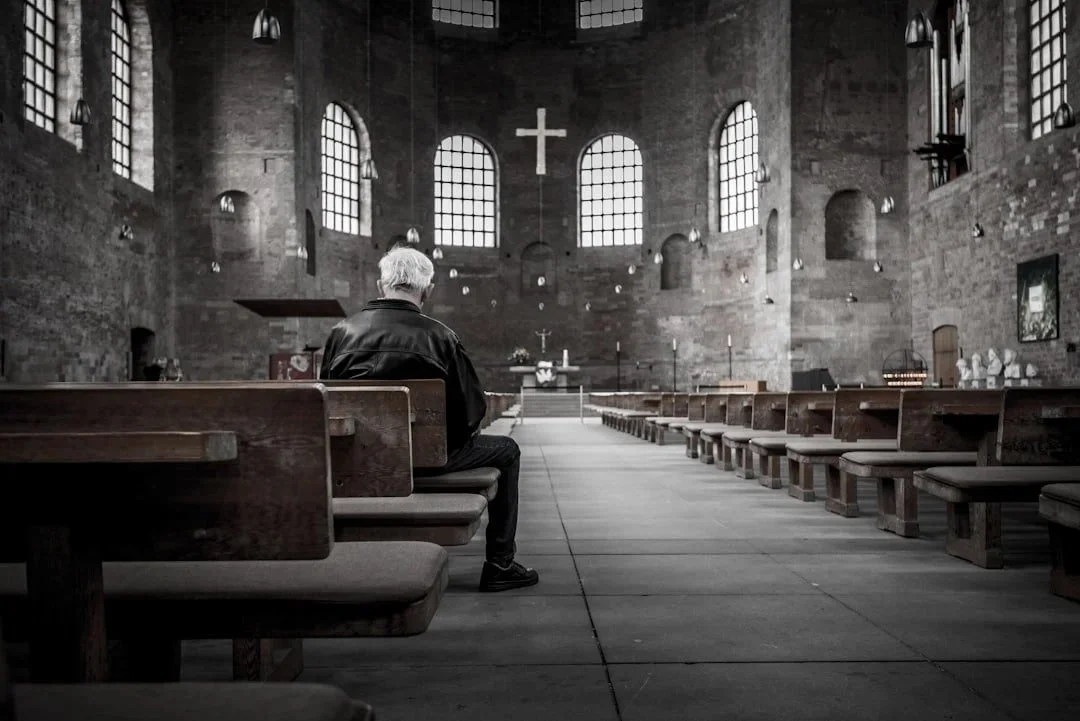
You’re driving home excited about your evening plans. Then that song comes on the radio. You know the one. Suddenly, you’re pulled back to that hard-backed pew, the smell of strong perfumes, the bright lights, and the guilty conscience. You feel cold all over like someone is watching you.
Religious trauma is unique in that it affects the very core of our identity. People turn towards religion as a foundation for not only their beliefs, but their values, principles, and direction in life. For many, religion wasn’t a choice but something forced on them as a child. They didn’t get to choose what to believe. They weren’t presented with options to explore and learn.
On top of this, abusive tactics like guilt and shame are utilized to enforce control over what you do, think, and feel. These experiences not only mold your identity, but they ingrain harmful values and beliefs that you never had a choice in but become an integral part of your identity.
What you may notice if you have experienced religious trauma…
Relational:
Difficulties creating and maintaining healthy relationships
People-pleasing tendencies
Quick or anxious attachments
Codependency or enmeshment
Avoidance or emotional withdrawal
Social isolation
Depending on other’s opinions to make personal decisions
Fear of abandonment or disappointing others
Lost sense of identity or core beliefs
Emotional & Mental:
Anxiety or panic attacks
Depression
Low self-esteem or self-worth
Guilt and shame
Apathy
Anger and irritability
Mood swings
Pervasive sense of dread or fear
Difficulty concentrating or making decisions
Perfectionism and/or obsession with cleanliness, order, and timelines
Physical:
Insomnia and nightmares
Chronic fatigue
Paranoia and hypervigilance
Appetite changes
Weight changes
Somatic stress (i.e. headaches, stomach aches)
Body insecurities or dysmorphia
Obsession with physical appearance
Sexual dysfunction
Substance dependency or other addictions

How therapy for religious trauma can help you!
You are not stuck with the choices that were made for you. You don’t have to hold onto beliefs or values that don’t align with your authentic self. Ideology that is harmful, promotes shame, or coerces you to do or be something you aren’t doesn’t have to remain in your life.
This doesn’t mean that all religion is bad. But you should have the autonomy to choose a religion, spirituality, or belief system that is meaningful and healthy for you!
As an ex-evangelical myself, I can offer you personal understanding and validation. I help my clients on this journey by processing the religious trauma they have experienced, deconstructing the unhealthy programming, and reclaiming their own fully chosen identity, belief system, and spirituality.
If this resonates with you, reach out today to schedule your free therapy consultation with a survivor of religious trauma. I would love to meet you and take this brave journey together!
Other Therapy Services in Concord, NC
-

Narcissistic Abuse Therapy
-

LGBTQIA+ Therapy
-

Depression Therapy
-

Polyamory Therapy
-

Childhood Trauma Therapy
-

Group Therapy
Religious Trauma Therapy in Concord, NC
Frequently Asked Questions
-
If you are interested in beginning therapy for religious trauma, you can complete this interest form to get started! You can also email me at michelle@radicalserenity.com or call/text me at 980-202-2480 with any questions.
-
You can access therapy sessions from anywhere within North Carolina, South Carolina, or Virginia. Since talking about past religious harm and current experiences can be difficult, it is important you are in a safe, comfortable, and private space that feels supportive during your appointment.
-
When beginning religious trauma therapy, we will explore your relationship with religion and spirituality. We will identify the beliefs and constructs you learned from these spaces, and then you will be able to explore how these relate to you. We will work through deconstructing harmful beliefs and identifying new, healthy belief systems that align with your authenticity.
-
Trauma therapy will be effective no matter which type of spiritual experience, religious sect, or organization you have had. What is important is your individual experience and how it has impacted you. I have experience working with folks from a variety of religious and spiritual backgrounds from evangelical, Baptist, Lutheran, Pentecostal, Catholic, LDS, Buddhist, Wiccan, agnostic, and atheist among many others.
-
Therapy is about helping you explore your internal experience and finding alignment with yourself. I will help guide you through identifying what has been helpful and what has been harmful for you. I highly respect your personal autonomy in deciding what is most healthy, supportive for you. You can absolutely heal from harmful experiences while learning how to reconnect to your faith in a way that feels best for you.
-
Making the decision to leave can be very difficult, and choosing what is next for you spiritually can be complex. When we explore your beliefs systems, you will be able to identify what is truly important to you and aligned with your personal values. I will support you in exploring your interests and creating a space to be authentically yourself as you connect to the world around you.